
Human Rights
KDI Raises Concern Over Key Electoral Reforms Decisions By Senate

… Calls For Stronger Transparency Measures Ahead 2027 Elections
By Samuel Sunday
The Kimpact Development Initiative, KDI, has raised concerns over key electoral reform decisions by the Senate, and also called for a stronger transparency measures ahead of the 2027 elections.
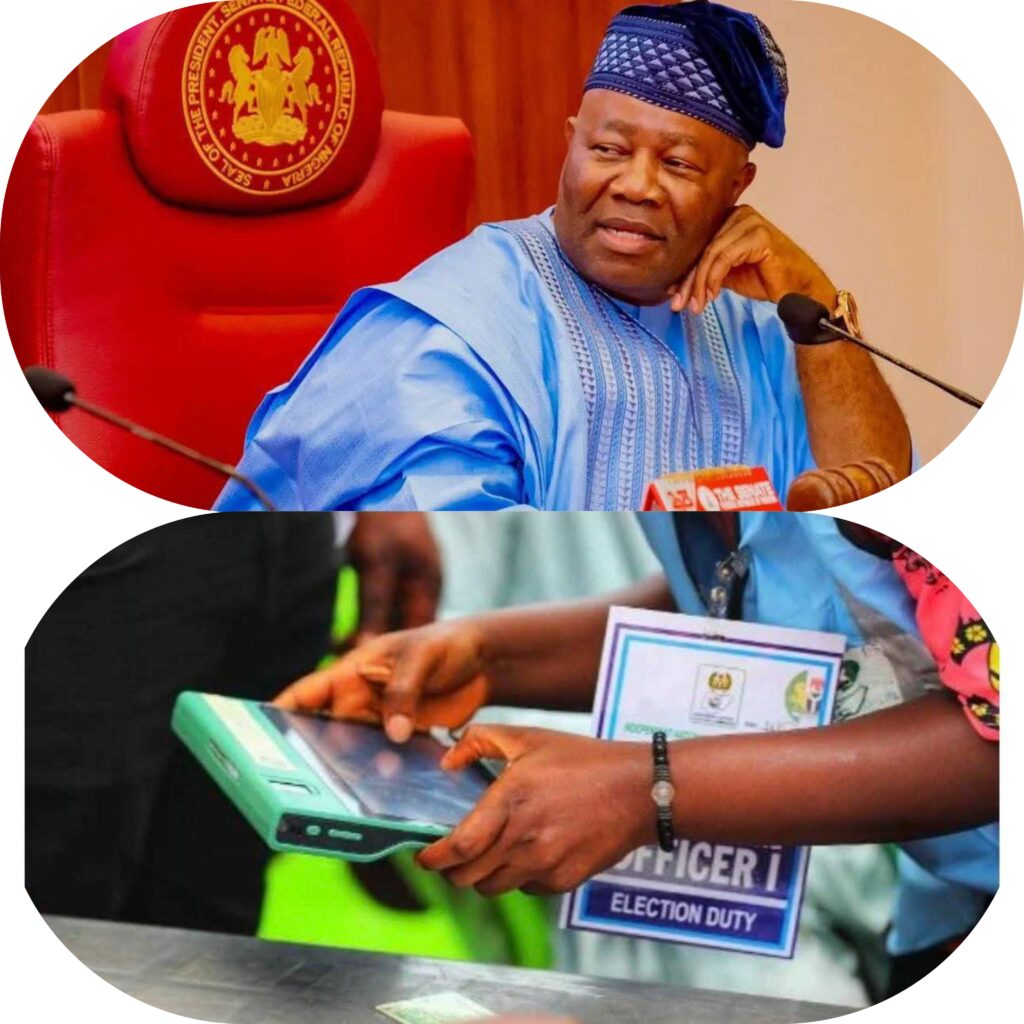
Reacting to the passage of the Electoral Act Amendment Bill by the Nigerian Senate on the 4th of February, 2026; the Kimpact Development Initiative, KDI, has expressed disappointment on the rejection of certain provisions that many stakeholders viewed as critical to strengthening transparency, accountability, and public confidence in the electoral process.
The KDI described the decision not to make the electronic transmission of the election results mandatory, as a development that has generated significant public debate.
KDI kicked against the decisions of the Nigerian Senate, revealing that many citizens, civil society organisations, election observers, and youth groups prefer a mandatory electronic transmission of results, describing it as a straightforward and visible mechanism to reinforce trust in election outcomes.
The KDI described the Senate’s failure to retain the transmission framework contained in the 2022 Electoral Act as a danger and misfit going forward.
Adding, the KDI also described the absence of clearer statutory obligations as a factor which may continue to leave room for differing interpretations and operational discretion.
This development raises concerns about preparedness for credible elections in 2027.
KDI notes that elections are not only legal exercises but also public-trust exercises.
“Confidence in electoral outcomes is shaped not only by procedures, but by the visibility and predictability of those procedures to ordinary citizens.
“Strengthening transparency provisions is therefore not merely a technical adjustment; it is an investment in long-term democratic credibility”.
“KDI also notes with concern the Senate’s decision to remove the proposed 10-year disqualification for individuals convicted of vote buying. Vote buying remains one of the most corrosive threats to democratic integrity in Nigeria, distorting voter choice, commercialising the franchise, and undermining the legitimacy of electoral outcomes.
The KDI recommended sanctions for the electoral crimes which must be proportionate to the harm they inflict and capable of serving as effective deterrents
Additionally, the reduction in the statutory timeline for issuing election notices from 360 days to 180 days raises further concerns.
Adequate preparation time is fundamental to the successful conduct of large-scale elections.
Shortening this window may place operational pressure on the Independent National Electoral Commission (INEC) and political parties, increasing the risk of logistical challenges, fragmented implementation, and avoidable disputes ahead of the 2027 general elections.
KDI observes that the Senate’s position differs from that of the House of Representatives, which adopted provisions aimed at strengthening electoral transparency, accountability, and deterrence against malpractice. This divergence within the National Assembly presents an important moment for reflection and alignment.
As the Electoral Act Amendment Bill proceeds to the conference committee stage, the process presents an opportunity for lawmakers to carefully balance operational realities with public expectations, ensuring that the final legislation both protects institutional stability and strengthens citizen confidence.
Nigeria stands at apivotal point inits democratic journey. As preparations gradually begin toward the 2027 general elections, the legal framework governing those elections must not only function effectively but also inspire confidence across political divides and demographic groups, especially among young voters whose participation remains essential to democratic vitality.
KDI reiterates its commitment to constructive engagement with lawmakers, electoral institutions, civil society, and citizens in advancing reforms that enhance transparency, accountability, and institutional trust.
Electoral reform is an evolving process, and sustained dialogue remains essential to ensuring that Nigeria’s democratic systems continue to mature in line with public expectations”.