
Uncategorized
CJID Honours Yisau Babatunde as Overall Winner at 2026 Excellence in Journalism Awards

By News Desk
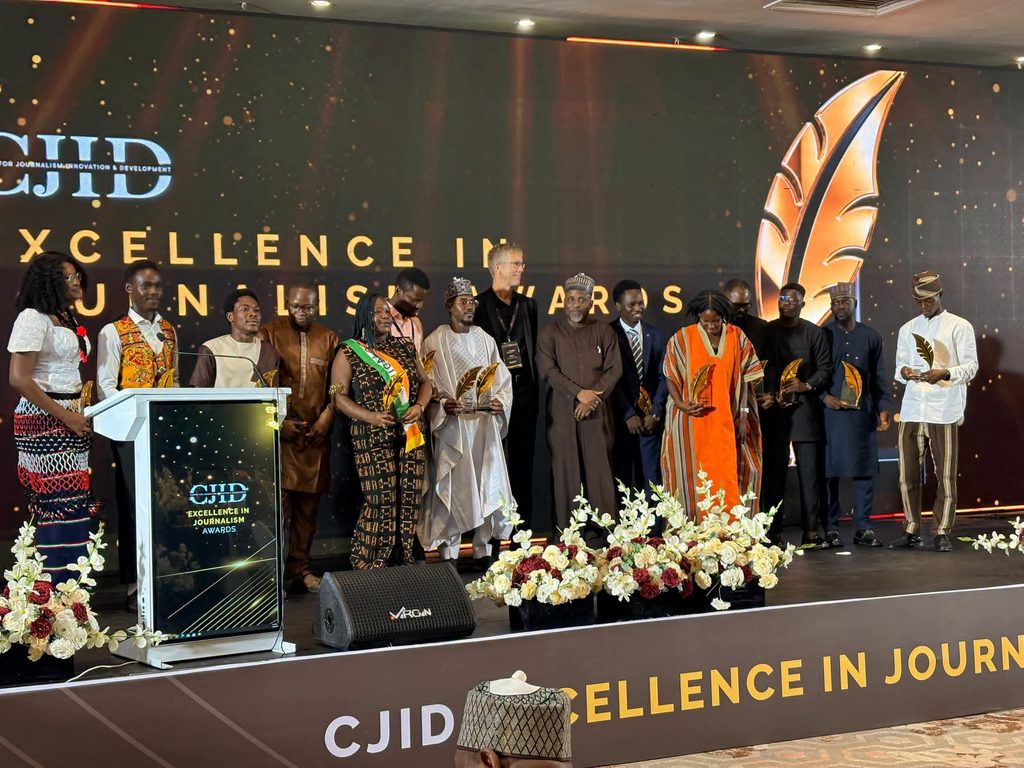
Yisau Babatunde has been honoured as the overall winner at the 2026 CJID Excellence in Journalism Awards, clinching the Investigative Journalism of the Year prize for his two-part investigation into the deplorable state of public primary schools in rural Oyo State.
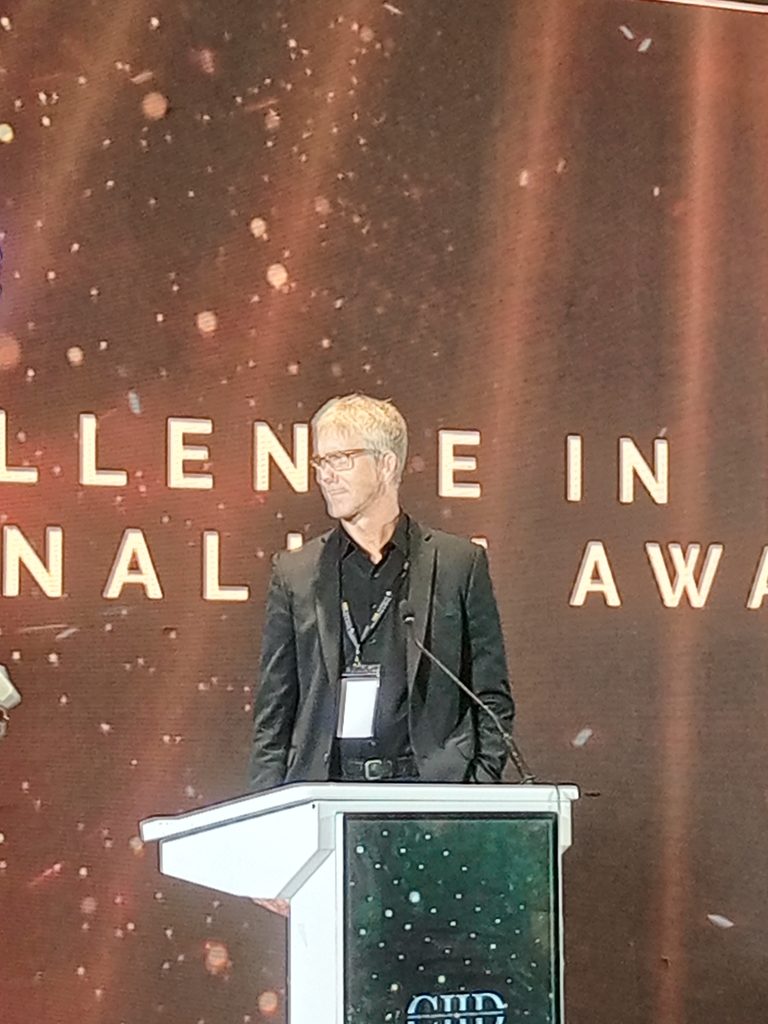
Babatunde, a student journalist from Usmanu Danfodiyo University, Sokoto (UDUS), received a N300,000 gift for the feat. He will also benefit from a National Internship Opportunity.
His winning investigation, titled “Oyo’s Rural Schools in Ruins Despite Multi-Billion Funding (Parts 1 and 2),” exposed the wide gap between the government’s multi-billion-naira education allocations and the reality in rural schools.
Through visits to several schools, Babatunde documented collapsed classrooms, broken furniture, poor sanitation, unsafe learning environments, inadequate teaching materials and shortages of qualified teachers. The report showed how the conditions threaten pupils’ safety and limit access to quality foundational education, particularly for children from low-income families.
Babatunde also finished as runner-up in the Campus Affairs category for his report, “Millions in Student Sports Fees Fail to Stop University Facilities from Collapsing — A UDUS Report,” which examined the poor state of sporting facilities at UDUS despite an estimated N372.9 million generated from students’ sports maintenance fees over five academic sessions.
Investigative Journalism:
Habeeb Olokooba emerged runner-up in the Investigative Journalism category for his report, “INVESTIGATION: How Online Platform Slipcraft Helps Scammers Fake Transfers, Generate Fraudulent Receipts.”
Olokooba exposed how the online platform, Slipcraft, is allegedly being used by fraudsters to generate fake bank transfer receipts and impersonate popular Nigerian financial service providers, including OPay, PalmPay and Kuda, to defraud traders and small business owners.
The reporter accessed the platform, tested its features and successfully generated a fraudulent transfer receipt that closely resembled an authentic transaction record, despite no money being credited to the recipient’s account. The report also documented the experiences of traders who lost money and goods to fake transfers, examined how social media and Telegram communities facilitate access to the platform, and highlighted gaps in digital platform moderation and fraud prevention. It also explored the legal implications under Nigeria’s Cybercrimes Act.
Health Reporting:
Muheeb Mashood won the Health Reporting category with his investigation, “The Unsafe Water Sources Serving Humans and Animals in Sokoto Communities.”
The report revealed the lack of access to safe drinking water in Gidan Lili and Gidan Sule communities in Sokoto State, exposing how residents depend on contaminated rivers and unprotected wells shared with animals for their daily water needs. It documented the health risks associated with consuming untreated water and highlighted the failure of previously constructed water projects, leaving communities without reliable access to clean water.
It further investigated the disconnect between the state government’s multi-billion-naira water budget allocations and the realities in rural communities.
Kamaldeen Luqman was runner-up in the category with “Seven Injections, No Diagnosis: How Fear of Delay Pushes UDUS Students Into Unsafe Medical Care.”
Luqman examined how delays and difficulties in accessing healthcare at UDUS are pushing students towards patent medicine stores and other potentially unsafe medical practices. Through students’ accounts, the investigation documented prolonged waiting times, unavailable doctors and inadequate access to medical attention, alongside cases of students receiving injections, drips and medication without proper diagnosis. It also estimated that students paid approximately N681.2 million in medical fees over five academic sessions, raising questions about the quality of healthcare services provided.
Campus Affairs:
Muhammed Akindele won the Campus Affairs category with “Inside UDUS Where Breads With No Verifiable NAFDAC Registration Are Sold to Students.”
After examining 16 bread brands sold around the university, Akindele identified seven with questionable registration details, raising concerns about the safety of products consumed daily by students. The report highlighted complaints of stomach pain and diarrhoea linked to some of the bread products and examined the challenges facing NAFDAC in monitoring food production and sales in Sokoto State.
Data Journalism:
Abdullateef Sebiotimo won the Data Journalism category with “How UDUS Students Miss Global Opportunities Over Poor Student Email Access.”
The report examined how poor access to functional university email accounts at UDUS is limiting students’ ability to access international scholarships, fellowships, internships and other academic opportunities that require institutional email addresses.
A survey of 113 students across 15 faculties showed that over half did not know institutional emails existed, while 85.7 per cent of those needing one for opportunities lacked access.
Beyond student impacts, the report questioned the university’s management of the service. Despite collecting mandatory ICT fees that generate up to N300 million annually, the administration stopped automatic account creation, citing database storage concerns.
Abdulrasaq Kamaldeen was runner-up with his investigation into Nigeria’s banking fraud crisis, “Inside Nigeria’s Banking Fraud Crisis: How Unsuspecting Customers Are Scammed,” which examined how unsuspecting bank customers fall victim to fraudulent schemes. It explored the tactics used by fraudsters to deceive customers, exploit weaknesses in banking systems and gain unauthorised access to their funds, while raising questions about the effectiveness of banks’ security measures, fraud detection systems and response mechanisms.
Community Reporting:
Ayodele Aduwo won the Community Reporting category with “SPECIAL: How Oyo Govt’s Neglect Leaves Ayegun Community With Empty Schools, Unsafe Roads, Blackout.”
Aduwo examined the poor state of basic infrastructure in Ayegun community, Oluyole LGA, Oyo State, where residents contend with deteriorating roads, prolonged electricity outages and neglected public schools. The investigation documented how these challenges disrupt livelihoods, limit children’s access to education and leave communities without essential social amenities.
Shero Abbas was runner-up with “The Abandoned Highway Project That Arms Bandits and Drives Away Contractors in Kwara North.”
Abbas investigated the prolonged abandonment and slow construction of the 130-kilometre highway linking Bode Saadu, Kaiama, Bacita-Shonga and Kosubosu in Kwara State. The report examined how the poor state of the road has disrupted farming, trade and transportation, while worsening insecurity across communities in Kwara North. It also explored how deteriorating road conditions and security threats have discouraged contractors from working on the project, leaving residents to bear the economic and safety consequences of years of delayed construction.
Inclusion:
Habeeb Olokooba also won the Inclusion category with “The Deadly Trend: How Nigerian Influencers Fuel Ethnic Stereotypes Online.”
The investigation examined how Nigerian social media influencers, particularly on TikTok, use online trends and content to promote ethnic stereotypes and portray the Fulani community as criminals and bandits. Through the experiences of affected individuals and an examination of viral videos, the report showed how seemingly harmless online content can reinforce prejudice, expose innocent people to discrimination and deepen ethnic tensions. It also explored the role of social media platforms in moderating harmful content and the legal options available to victims of online ethnic profiling.
Maryam Umar was runner-up in the category with “How Malnutrition, Child Labour Threaten Sokoto Girls’ Future,” which examined how poverty, malnutrition and child labour are affecting the lives and future of young girls in Sokoto State.