Featured
A House Divided: Obi, Atiku Plus Test of Opposition Unity

By Kemisola Folarin
Nigeria’s opposition landscape is once again drawing attention not for cohesion, but for emerging divisions ahead of the 2027 general elections.
The recent political developments involving Peter Obi and Atiku Abubakar have sparked widespread reactions across the country’s political space, with many observers closely watching the implications for opposition unity.
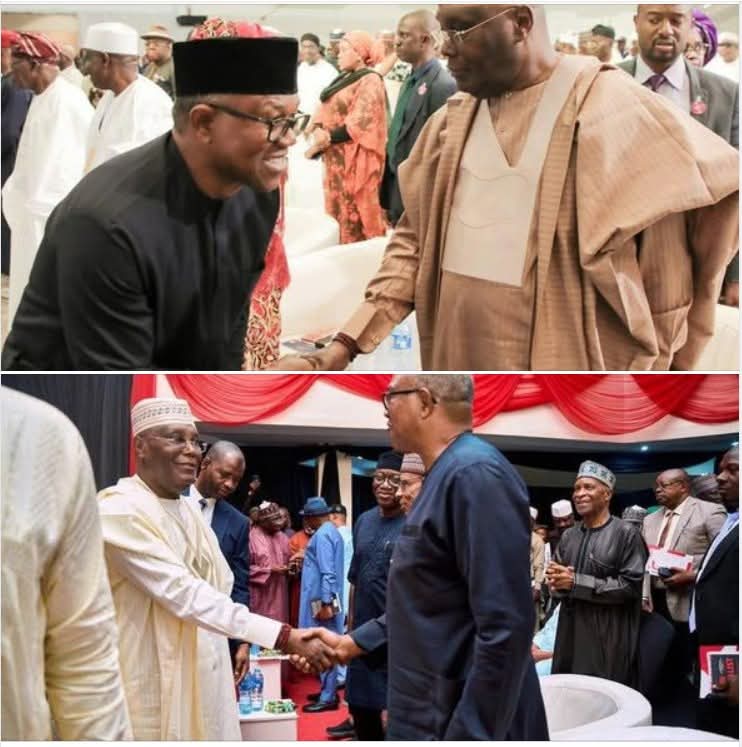
Both figures were associated with a broader coalition effort under the African Democratic Congress, which had generated public interest as a possible platform for consolidating opposition strength ahead of 2027. The initiative was widely viewed by analysts as a strategic move to avoid a repeat of the fragmented contest witnessed during the 2023 Nigerian presidential election.
However, recent developments indicate that the coalition has faced internal challenges. Reports suggest that concerns around internal disagreements, legal complexities, and differing strategic priorities may have contributed to shifts within the alliance.
Political analysts note that aligning key figures with established political bases can be complex, particularly when multiple stakeholders are seen as viable contenders. Questions around candidacy arrangements and long-term strategy are often central to such discussions.
Observers say these developments highlight broader structural issues within Nigeria’s opposition politics, where coalition-building efforts sometimes encounter difficulties related to trust, coordination, and shared objectives.
For many Nigerians, the situation underscores ongoing conversations about the need for stronger political cohesion, especially in a system where electoral outcomes can be influenced by the degree of alignment among major contenders.
As political activities gradually build toward the next electoral cycle, attention is turning to how these dynamics may shape the future.
If current trends persist, analysts suggest that the 2027 elections could once again feature multiple strong candidates across party lines, potentially leading to a highly competitive but divided contest.
Whether new alliances emerge or existing differences are reconciled remains to be seen.
This commentary reflects observed political developments and perspectives from analysts within Nigeria’s evolving democratic landscape.