
Education
EU-SDGN: IPC Trains Ondo Journalists on Democratic Accountability, Fact-Checking

By Joseph Sunday
The International Press Centre, IPC, has trained journalists in Ondo State on democratic accountability and fact-checking, urging them to move beyond event-driven coverage to issue-based and professionally accountable reporting ahead of the 2027 general elections.
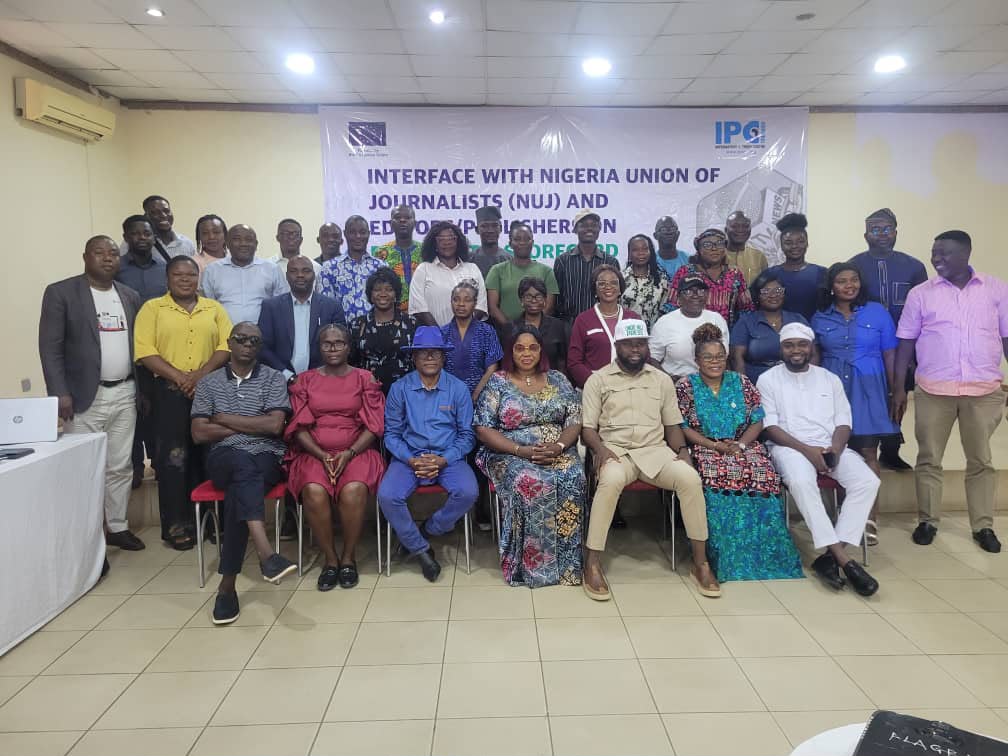
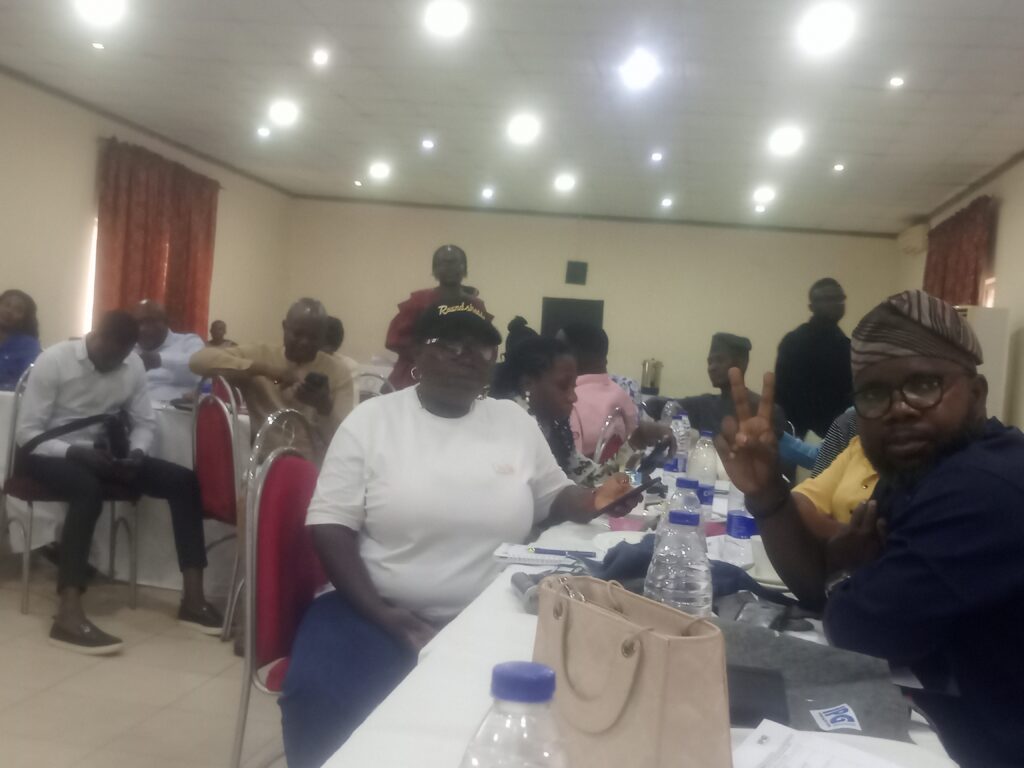
The training, held on Thursday in Akure, was an Interface with the Nigeria Union of Journalists, NUJ, and Editors/Publishers on Professional and Democratic Accountability in Journalism.
It was organised by IPC under Component 4 – Support to Media – of the European Union Support to Democratic Governance in Nigeria, EU-SDGN III Programme.
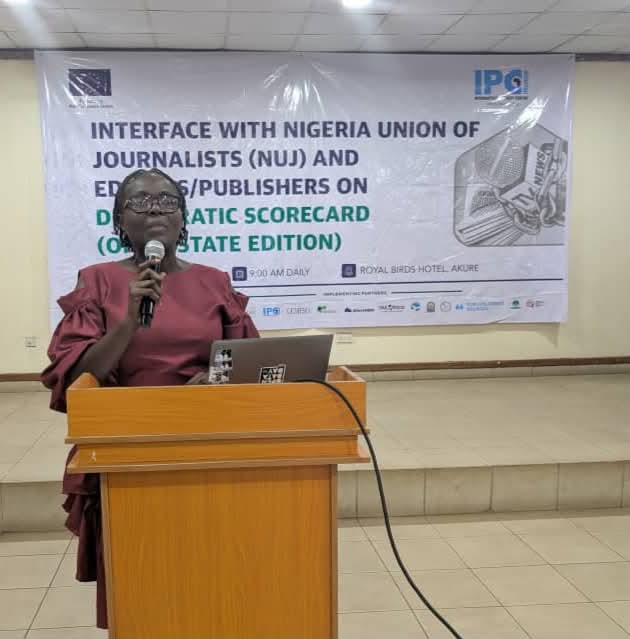
In her opening remarks on behalf of the Executive Director of IPC, Mr. Lanre Arogundade, the IPC Programme Officer, Mrs. Stella Nwofia said the engagement was timely and necessary for the media to reflect on its responsibilities and strengthen its capacity to provide citizens with credible, balanced and inclusive information.
“Elections are not merely about political campaigns, rallies, candidates and the eventual announcement of results. They are also about citizens, their aspirations, their concerns, their expectations of leadership and their right to make informed decisions,” she said.
Nwofia warned that the quality of electoral reporting would shape public confidence in the process, adding that sensationalism, unverified claims, inflammatory rhetoric, misinformation and disinformation could undermine democracy and deepen social divisions.
She urged journalists to prioritise accuracy, fairness, verification and conflict-sensitive reporting, interrogate campaign promises, verify political claims and document citizens’ priority concerns rather than focusing only on parties and candidates.
She urged the participants to report issues that matter most to Nigerians, give adequate attention to citizens’ concerns about the economy, education, healthcare, security, employment and infrastructure as well as to the women, young people, persons with disabilities and other underrepresented groups to actualized meaningful visibility in electoral discourse.
She noted that while digital platforms have expanded public participation, they have also accelerated the spread of false information, manipulated content and hate speech. Fact-checking, she stressed, must be integral to electoral reporting, not optional.
She also emphasised the need to protect journalists’ safety and professional independence, disclosing that IPC has developed an app, WorkFlow, to help journalists report and respond to harassment by security agencies.
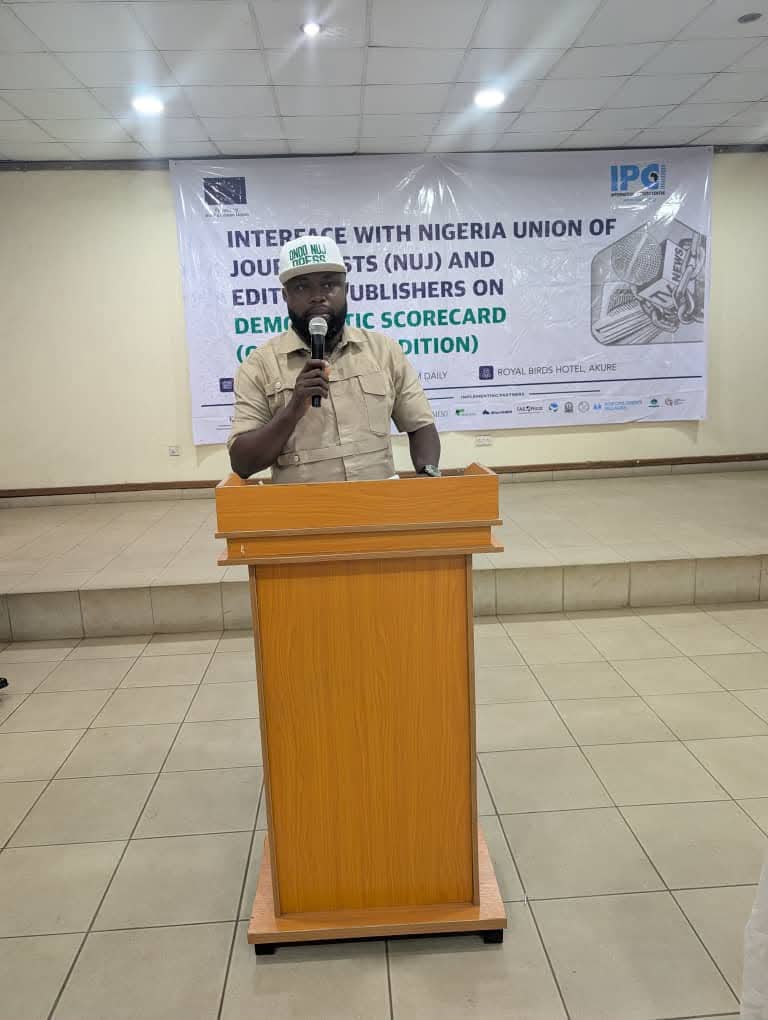
In his remarks, the Chairman of the Ondo State Council of the NUJ, Mr. Leke Adegbite, thanked IPC for its consistent support in training journalists. He described the interface as unique, noting that its theme was developed after consultations and opinion sampling among journalists.
Adegbite warned that the 2027 elections would be more challenging due to disinformation driven by unprofessional actors, saying professional journalists must set the record straight and douse tension through responsible reportage.
He cited the recent circulation of fake lists of governorship candidates purportedly disqualified by the Independent National Electoral Commission, INEC, which were amplified even by some mainstream and international platforms, as a sign of the dangers ahead.
He urged journalists not to allow political biases to affect their work and to take digital journalism and Artificial Intelligence seriously.
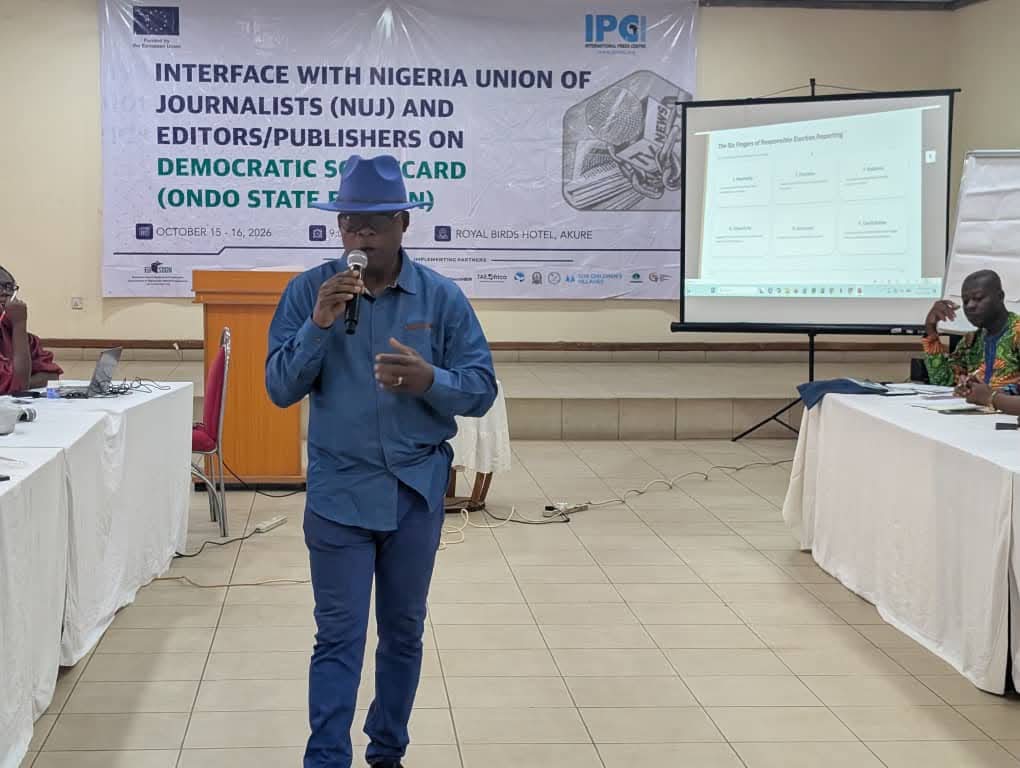
Other sessions included “Leveraging Technology for Credible Election Coverage” by Daniel Dare Dabo, who spoke on AI and Digital Journalism, and “Integrating Fact-Checking for Democratic and Accountability Reporting” by Olusola Oludiran, NDR/IPC Fact-checker.
Dabo cautioned journalists against deepfakes, bots, privacy risks and the pressure to publish first, insisting on the golden rule: “Accuracy over speed.”
Oludiran took participants through the fact-checking cycle, types of information disorder – misinformation, disinformation and malinformation – and verification tools such as reverse image search, InVID, Hive Moderation and Google Lens.
Also speaking, a Senior Journalist who had served in the media industry in different capacities in the past, and who is presently the Director of Corporate Communications, Federal University of Technology, Akure, Mr. Adegbenro Adebayo, emphasized the need for journalists to adopt precision journalism approaches by maintaining neutrality, fairness, balance, objectivity and newsroom discipline.
He urged journalists to avoid planted stories and to distinguish clearly between news, opinion and editorial.
He also pleaded with journalists to prioritize their safety before, during and after the 2027 general elections in the Country and avoid working alone, investigate all allegations relating to the elections, conduct vox pops to capture citizens’ voices, and remain calm when engaging security operatives.
Both IPC and the NUJ leadership expressed appreciation to the European Union for funding the programme.
According to the organisers, the success of the engagement would be measured not by attendance, but by the stories published, the claims verified, the citizens amplified and the professional standards upheld in the months leading to the 2027 elections.