
Human Rights
₦8.89 Billion Spent In Anambra Governorship Election Campaigns – KDI Report

By Joseph Sunday
A new report by Kimpact Development Initiative has revealed that political parties and candidates spent an estimated ₦8.89 billion during the 2025 Anambra State off-cycle governorship election, raising fresh concerns about the growing influence of money in Nigeria’s electoral process.
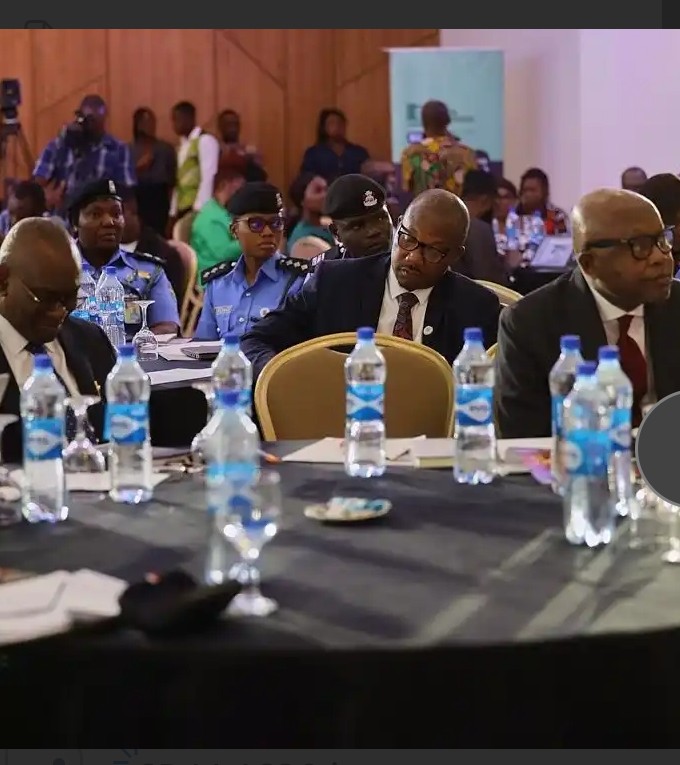
The report, titled Behind the Spending: Political Finance Dynamics in the 2025 Anambra State Off-Cycle Governorship Election, found that campaign spending was heavily concentrated among a few major political parties, leaving many candidates with little or no visible campaign activity.
Researchers noted that about 25 percent of candidates recorded no measurable spending during the monitoring period.
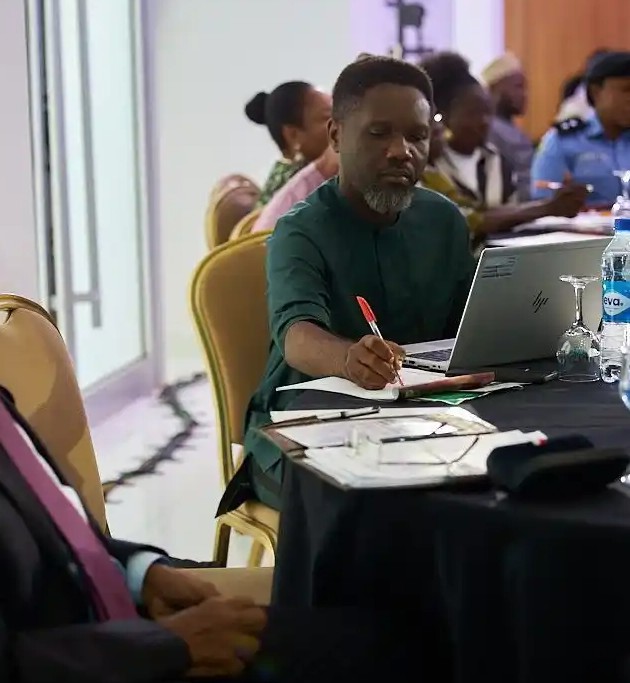
According to the report, most of the campaign funds went into large political rallies, media advertising, and voter mobilization, which together accounted for the bulk of the observed expenditure.
Campaign rallies alone consumed nearly two-thirds of the total spending, showing how political parties relied heavily on large public events to attract voters attention.
The researchers also observed a major surge in spending on election day, when parties deployed money for logistics, party agents, transportation, and other mobilization activities across polling units.
The report suggested that these financial deployments were often strategically targeted at specific local government areas rather than evenly distributed.
Despite Nigeria’s electoral laws limiting governorship campaign spending to ₦1 billion per candidate, analysts involved in the study said it was difficult to determine whether candidates exceeded the limit. They explained that the overlap between party spending, candidate spending, and third-party contributions made accurate financial attribution challenging.
The report further highlighted a transparency gap in political finance, noting that publicly known income sources such as nomination forms and fundraising contributions did not adequately explain the scale of the campaign spending observed during the election.
Investigators also pointed to weak regulation of third-party spending, warning that the absence of clear rules for external political financiers could undermine efforts to enforce campaign finance limits. They stressed that the lack of real-time financial disclosure continues to weaken public oversight of election spending.
The KIMPACT Development Initiative however called for stronger reforms, including clearer laws on third-party political spending, better financial reporting systems, and stricter enforcement mechanisms to ensure transparency and accountability in Nigeria’s elections.
It added that addressing these gaps would help reduce the growing role of money as a deciding factor in electoral competition.